
"Ethiopian coffee market"
3000 article(s) found

What is the flavor of Ethiopian coffee? coffee raw bean market
Ethiopian coffee is somewhat similar to the famous mocha coffee. Of course, high-quality Ethiopian coffee can be compared with the best coffee from all over the world, including its considerable price. Ethiopia has the highest domestic consumption of coffee in Africa. In the countryside, it is often drunk with a herb called Adam's HealthofAdam: roasted new coffee beans

Ethiopian coffee beans
The rarest Ethiopian coffee beans on the market are Irga Chafee beans, which are exported to Japan and Europe but rarely seen in the United States. This is because Dallmeyer, a German coffee roaster owned by Nestl, has established close ties with the growers of Ilga Chafee coffee and thus obtained the largest single quantity of coffee beans.
Coffee birthplace introduces Ethiopian coffee beans
One of the rarest Ethiopian coffee beans on the market is Ilgachafi, which is exported to Japan and Europe but is rarely seen in the United States. This is because Dallmeyer, a German coffee roaster owned by Nestl, has established a close relationship with the growers of Ilga Chafi coffee, thus obtaining the largest order of this kind of coffee beans.
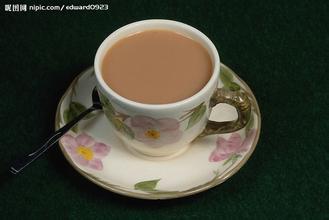
Coffee birthplace introduces Ethiopian coffee beans
One of the rarest Ethiopian coffee beans on the market is Ilgachafi, which is exported to Japan and Europe but is rarely seen in the United States. This is because Dallmeyer, a German coffee roaster owned by Nestl, has established a close relationship with the growers of Ilga Chafi coffee, thus obtaining the largest order of this kind of coffee beans.

An introduction to the Origin of Ethiopian Coffee
One of the rarest Ethiopian coffee beans on the market is Ilgachafi, which is exported to Japan and Europe but is rarely seen in the United States. This is because Dallmeyer, a German coffee roaster owned by Nestl, has established a close relationship with the growers of Ilga Chafi coffee, thus obtaining the largest order of this kind of coffee beans.

How to grow Ethiopian coffee Why is coffee so popular
The rarest Ethiopian coffee beans on the market are Irga Chafee beans, which are exported to Japan and Europe but rarely seen in the United States. This is because Dallmeyer, a German coffee roaster owned by Nestl, has established close ties with the growers of Ilga Chafee coffee and thus obtained the largest single quantity of coffee beans.

The influence of Ethiopian Commodity Exchange on Coffee Market characteristics of flavor and taste of Huakui coffee beans
Coffee crops are the main source of foreign exchange in Ethiopia. It is the main export commodity to earn valuable foreign exchange for the country. However, coffee also has a vibrant domestic market.

Starbucks enters Ethiopian Coffee and African Coffee Market where Coffee was born
Starbucks held a unique Ethiopian coffee tasting event at its flagship store in Beijing Kerry Center, the first zero-distance contact with coffee lovers since Ethiopian coffee from the birthplace of coffee arrived at Starbucks. Starbucks China 2013 Coffee Minister Shen Yaning and local guests from Ethiopia, with profound coffee knowledge and superb coffee

Ethiopian boutique coffee introduces the characteristics of Ethiopian coffee Ethiopian coffee
The coffee tree originated in Ethiopia, which was originally a wild plant here, and the name coffee comes from the Ethiopian town of Kaffa. Humans may have known how to grow coffee trees as early as the 9th century. Coffee producing area in Ethiopia: many coffee trees in Ethiopia are still wild plants, and the coffee grown on this coffee tree is full of grains.

Ethiopian Coffee Culture Coffee Flavor characteristics of different producing areas in Ethiopia
Ethiopia is recognized as the birthplace of coffee, and the coffee produced is also highly respected in the boutique coffee market, and Ethiopian coffee is almost available on the menus of coffee shops around the world. But why is Ethiopian coffee so well received? How well do you know this coffee-producing country? Ethiopia's producing areas vary greatly, with each producing area, micro-producing area and even farm production.

Ethiopian coffee beans Ethiopian coffee beans Ethiopian coffee beans
The birthplace of coffee-Ethiopia. The coffee tree originated in Ethiopia, where it was originally a wild plant, and the name coffee comes from the Ethiopian town of Kaffa. In fact, many coffee trees in Ethiopia are still wild plants, and the coffee grown on this coffee tree is full of particles and slightly fragrant. Humans may have been as early as the 9th century
The export of Ethiopian coffee knows the main producing areas of Ethiopian coffee.
Coffee export coffee is Ethiopia's most important export cash crop and the main source of Ethiopia's foreign exchange earnings. Ethiopia's coffee exports account for about 3% of the world market, making it the eighth largest coffee exporter in the world. Coffee exports increased steadily from 58000 tons in 1990 to 110000 tons in 1995-1996 and remained at this level in the following years. two
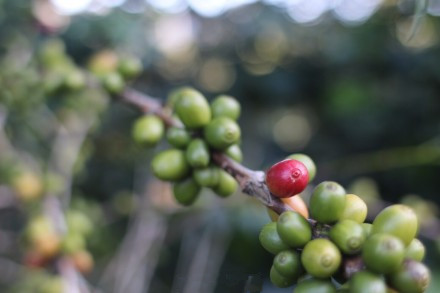
Ethiopian coffee the characteristics of Ethiopian coffee
The coffee tree originated in Ethiopia, which was originally a wild plant here, and the name coffee comes from the Ethiopian town of Kaffa. Humans may have known how to grow coffee trees as early as the 9th century. Coffee producing area in Ethiopia: many coffee trees in Ethiopia are still wild plants, and the coffee grown on this coffee tree is full of grains.

Introduction to Ethiopian Coffee Bean Culture of Ethiopian Coffee beans
Various forms of coffee cultivation can be found in Ethiopia: everything from wild coffee forests and semi-developed land to traditionally operated plots to modern plantations. About 50% of the coffee is grown more than 1500 meters above sea level. Harrar coffee is the highest growing area of all coffee in Ethiopia. Hara coffee can be divided into long coffee.

Characteristics of Ethiopian coffee beans introduction of Ethiopian coffee beans
Various forms of coffee cultivation can be found in Ethiopia: everything from wild coffee forests and semi-developed land to traditionally operated plots to modern plantations. About 50% of the coffee is grown more than 1500 meters above sea level. Harrar coffee is the highest growing area of all coffee in Ethiopia. Hara coffee can be divided into long coffee.

Characteristics of Ethiopian coffee beans introduction of Ethiopian coffee beans
Various forms of coffee cultivation can be found in Ethiopia: everything from wild coffee forests and semi-developed land to traditionally operated plots to modern plantations. About 50% of the coffee is grown more than 1500 meters above sea level. Harrar coffee is the highest growing area of all coffee in Ethiopia. Hara coffee can be divided into long coffee.
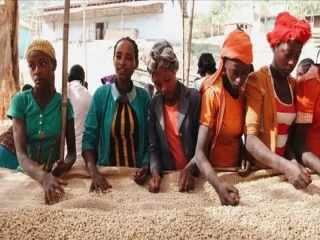
Ethiopian coffee beans | Waka cooperative boutique coffee bean flavor description _ what is the cooperative coffee bean production mode?
Coffee cultivation in Ethiopia is generally based on small farmers' workshops, and the output quality is often affected by unfavorable factors such as technology, capital, labor force and lack of market promotion platform in the process of production. When many coffee farms with their own characteristics cooperate in joint production, they develop together by learning from each other's strong points to offset their weaknesses.

Introduction of Ethiopian Coffee beans the characteristics of Ethiopian coffee beans
Various forms of coffee cultivation can be found in Ethiopia: everything from wild coffee forests and semi-developed land to traditionally operated plots to modern plantations. About 50% of the coffee is grown more than 1500 meters above sea level. Harrar coffee is the highest growing area of all coffee in Ethiopia. Hara coffee can be divided into long coffee.

Origin of Ethiopian coffee beans the price of Ethiopian coffee beans
Various forms of coffee cultivation can be found in Ethiopia: everything from wild coffee forests and semi-developed land to traditionally operated plots to modern plantations. About 50% of the coffee is grown more than 1500 meters above sea level. Harrar coffee is the highest growing area of all coffee in Ethiopia. Hara coffee can be divided into long coffee.